


There are four majors in golf. Only one feels like this.
The Masters Tournament isn’t just another stop on the calendar. It’s a fixed point. Same course. Same sightlines. Same quiet pressure that seems to hang in the air over Augusta National Golf Club every first week in April. It’s the only tournament where the past never really leaves. You can feel it in the way the players walk the fairways, in the way the broadcast lingers just a second longer than it should, in the way certain holes seem to carry memory. The other majors feel very ‘made for TV’. At Augusta, the TV cameras are lucky to be there.
It began in 1934, built on the vision of Bobby Jones, who wanted something permanent. Something that didn’t move, didn’t rotate, didn’t try to reinvent itself every year. That decision is why the Masters feels different. Every other major changes venues, changes personality. Augusta stays exactly where it is and asks the same questions, year after year. And because of that, the answers become more interesting over time. No matter the current headlines, culture shifts, or really anything outside the gates on Washington Road, The Masters and Augusta National don’t deviate from the mean. And quite frankly, you’ll never know if they do.
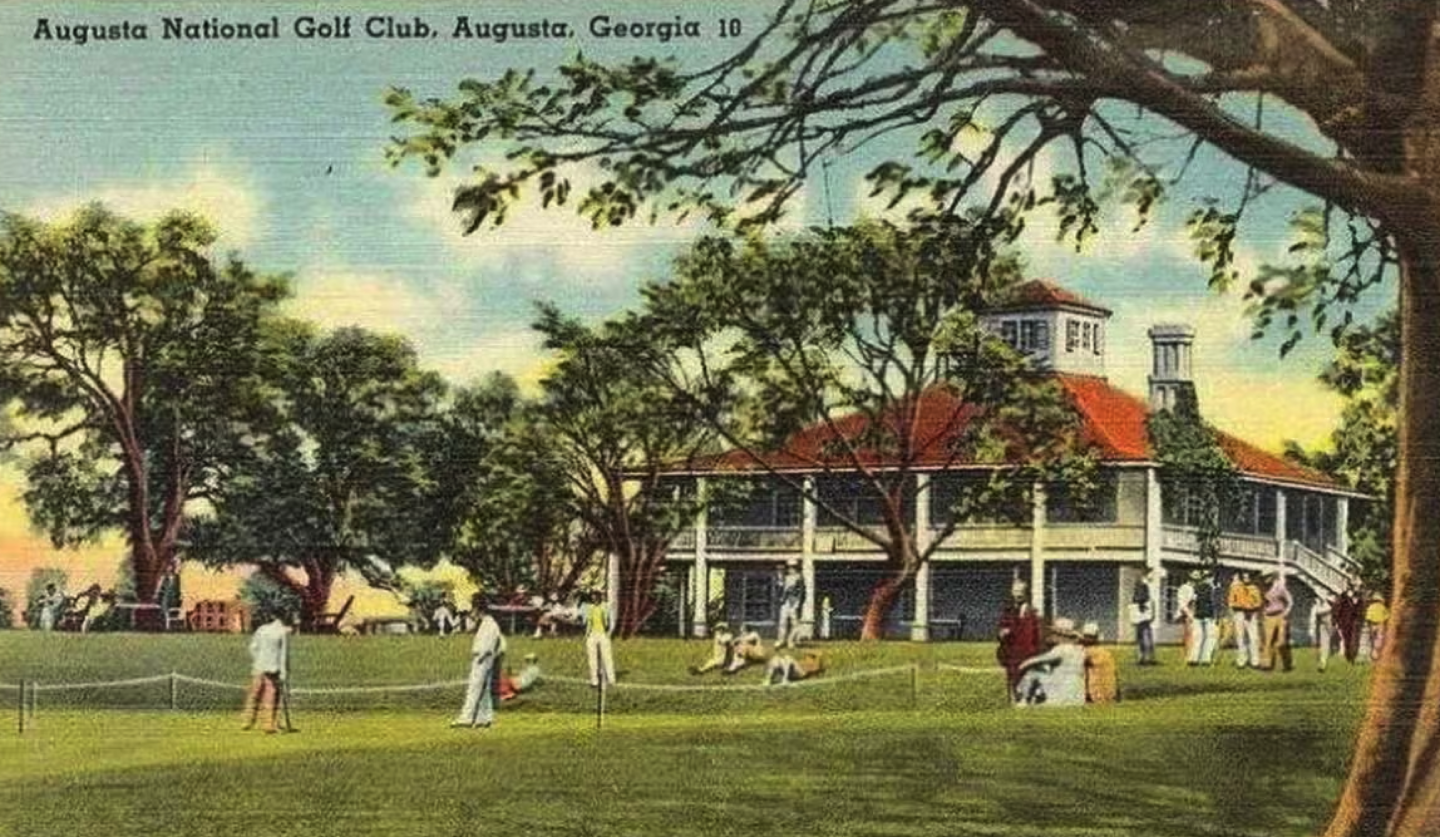
For me, this is the week everything slows down. A religious holiday of sorts.
Some people circle the Super Bowl. I circle Thursday morning at Augusta. It’s early coffee before the first group tees off. It’s the familiar cadence of the broadcast humming in the background. It’s checking the leaderboard throughout the day like it’s something that actually matters in real time. There’s a rhythm to it that’s hard to explain unless you’ve felt it. The sense that for a few days, everything else can wait.
The Masters isn’t something you casually watch. You settle into it. You let it run. You notice things. The way the light hits the 13th fairway late in the afternoon. The way the greens look faster on television than they should be. The way even the best players in the world look slightly unsure of themselves at certain moments. If the Super Bowl is noise, the Masters is signal. It rewards attention.
And the reason it holds that attention: Augusta always tells the truth.
It doesn’t reward trends. It exposes them. You can’t overpower it for four days, no matter how far you hit it. You can’t fake your way around the greens, no matter how good your putting stroke looks on the range. It’s a second-shot golf course disguised as something else, and it demands a very specific combination of patience, creativity, and discipline. The players who win here understand not just how to hit the ball, but where to miss it. They understand when to attack and when to accept par and move on.
That’s why the same names tend to show up over and over again. Experience compounds at Augusta in a way it doesn’t anywhere else. You don’t figure this place out in one trip. You learn it slowly. You earn it over time.
Which is what makes this year interesting.
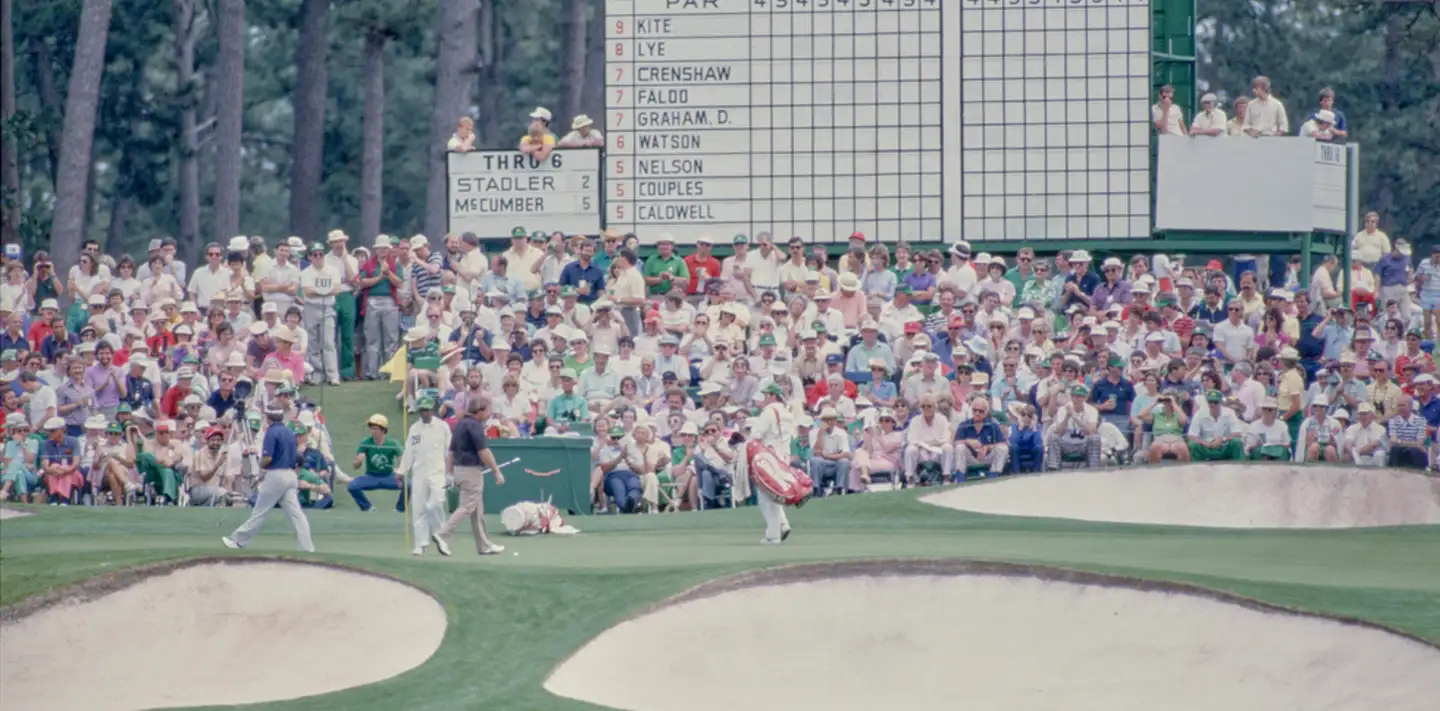
There will be the usual names near the top of the board. Scottie Scheffler will be there, steady as ever, playing a version of golf that seems almost designed for this course. Rory McIlroy will once again be chasing something that feels just slightly out of reach. Bryson DeChambeau will bring the kind of intensity that can either win here or unravel quickly.
But Augusta has a way of drifting away from the obvious by the time Sunday afternoon arrives. It rewards the player who stays patient while everyone else starts pressing. It rewards the one who understands that this tournament is less about chasing birdies and more about avoiding mistakes that compound.
That’s where someone like Sepp Straka becomes very interesting.
He’s not the name that jumps off the page when you start making predictions, which is usually a good sign. His game isn’t built on flash. It’s built on control. He’s a high-level ball striker who manages his misses, doesn’t force shots, and plays within himself. Chris Haack, the legendary UGA golf coach, said that of all the players that came through Athens, Straka was the best ball striker he ever saw. And that’s saying something.
His combination of power, precision, and putting tends to age well at Augusta. The players who struggle here aren’t necessarily the ones who hit bad shots. They’re the ones who try to hit great shots when the course is asking for something simpler.
Straka doesn’t seem wired that way. There’s a discipline to how he plays that fits this place. He’s the kind of player who can quietly move through the field without drawing much attention, staying within reach while others make the mistakes that Augusta inevitably demands. And if you’re within reach on the back nine Sunday, the entire tournament changes. Pressure shifts. Decisions tighten. And suddenly, the player who looked like an afterthought on Thursday is standing over a shot on 15 with a chance to win.
That’s how this place works.
The first two days will look controlled. Players feeling their way around the course, trying to understand how firm the greens are, how aggressive they can be without paying for it. Saturday is where the tension starts to build. Not because players go low, but because they start to feel what’s coming. And then Sunday arrives, and everything narrows.
The back nine at Augusta is the most honest stretch in golf. There’s nowhere to hide. There is no safe way through it. Every shot asks a question, and every answer carries weight. It’s where the tournament reveals itself, not just in terms of who hits the best shots, but who makes the best decisions.
That’s why the Masters endures.
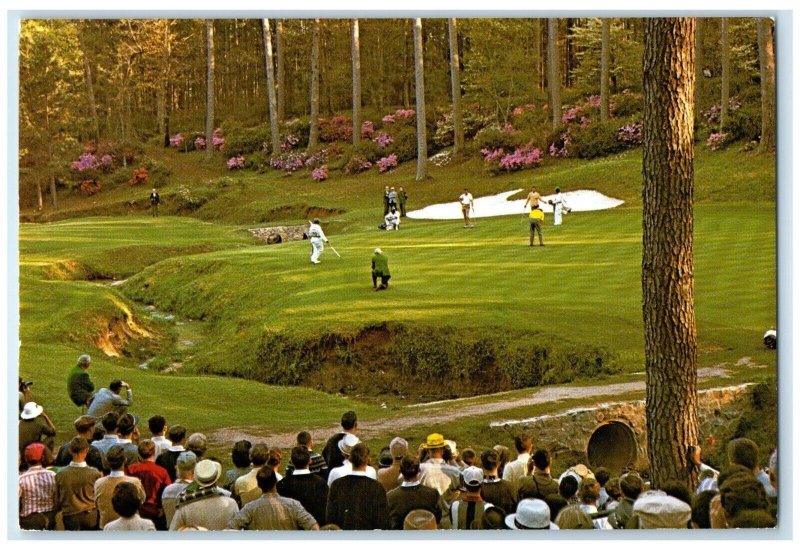
It doesn’t try to be anything other than what it is. It doesn’t chase attention or reinvent itself. It simply shows up every April, asks the same questions, and lets the players sort it out. And somehow, that’s more compelling than anything else in the sport.
So for a few days, everything slows down. Work can wait. The phone can sit face down a little longer. The afternoons stretch out, and you get to watch something that feels untouched by the rest of the noise.
And if this year follows the pattern it usually does, don’t be surprised if it isn’t the loudest name that ends up slipping on the green jacket because Augusta doesn’t care about expectations. It cares about execution.
And this feels like the kind of year where someone like Sepp Straka is still there when it matters.
What are you excited to see this year?
Images: Google Image Search

I’m not a golfer, but I’ll be damned if I don’t find myself sand wedge in hand, chipping balls in my backyard during the Masters, pretending I’m at Amen Corner.
In my 40s, the Masters for me is like how I felt watching March Madness as a kid- for a couple days I think one day I’ll make the tournament and I play it out in my head. Maybe that sounds weird?
The Masters is just such a special tournament and it’s the only golf tournament I watch through all four days.